Abohar
Abohar (ਅਬੋਹਰ)
Amritsar
Amritsar (ਅੰਮ੍ਰਿਤਸਰ)
Batala
Batala (ਬਟਾਲਾ)
Bathinda
Bathinda (ਬਠਿੰਡਾ)
Hoshiarpur
Hoshiarpur (ਹੁਸ਼ਿਆਰਪੁਰ)
Jalandhar
Jalandhar ( ਜਲੰਧਰ)
Ludhiana
Ludhiana (ਲੁਧਿਆਣਾ)
Moga
Moga ( ਮੋਗਾ)
Mohali
Mohali (ਮੋਹਾਲੀ)
Pathankot
Pathankot (ਪਠਾਨਕੋਟ)
Patiala
Patiala (ਪਟਿਆਲਾ)
Phagwara
Phagwara (ਫਗਵਾੜਾ)
Kapurthala
Kapurthala (ਕਪੂਰਥਲਾ)
Municipal Corporation Barnala
Municipal Corporation Barnala (Municipal Corporation Barnala)
Adampur
Adampur (ਆਦਮਪੁਰ)
Amloh
Amloh (ਅਮਲੋਹ)
Balachaur
Balachaur (ਬਲਾਚੌਰ)
Bhucho Mandi
Bhucho Mandi (ਭੁੱਚੋ ਮੰਡੀ)
Dhanaula
Dhanaula (ਧਨੌਲਾ)
Faridkot
Faridkot (ਫਰੀਦਕੋਟ)
Fatehgarh Churian
Fatehgarh Churian (ਫ਼ਤਿਹਗੜ੍ਹ ਚੂੜੀਆਂ)
Gobindgarh
Gobindgarh (ਗੋਬਿੰਦਗੜ੍ਹ)
Lehragaga
Lehragaga (ਲਹਿਰਾਗਾਗਾ)
Municipal Council Jalalabad
Municipal Council Jalalabad (ਨਗਰ ਕੌਂਸਲ ਜਲਾਲਾਬਾਦ)
MUNICIPAL COUNCIL MANSA
MUNICIPAL COUNCIL MANSA (ਨਗਰ ਕੌਂਸਲ, ਮਾਨਸਾ)
Municipal Council Roopnagar
Municipal Council Roopnagar (ਨਗਰ ਕੌਸਲ ਰੂਪਨਗਰ)
Nakodar
Nakodar (ਨਕੋਦਰ)
Nangal
Nangal (ਨੰਗਲ)
Ramdass
Ramdass (ਰਾਮਦਾਸ)
Sanaur
Sanaur (ਸਨੌਰ)
Sujanpur
Sujanpur (ਸੁਜਾਨਪੁਰ)
Zira
Zira (ਜ਼ੀਰਾ)
Ahmedgarh
Ahmedgarh (ਅਹਿਮਦਗੜ੍ਹ)
Alawalpur
Alawalpur (ਅਲਾਵਲਪੁਰ)
Anandpur Sahib
Anandpur Sahib (ਆਨੰਦਪੁਰ ਸਾਹਿਬ)
Bagha Purana
Bagha Purana (ਬਾਘਾ ਪੁਰਾਣਾ)
Banga
Banga (ਬੰਗਾ)
Banur
Banur (ਬਨੂੜ)
Bareta
Bareta (ਬਰੇਟਾ)
Bassi Pathana
Bassi Pathana (ਬੱਸੀ ਪਠਾਣਾ)
Bhadaur
Bhadaur (ਭਦੌੜ)
Bhawanigarh
Bhawanigarh (ਭਵਾਨੀਗੜ੍ਹ)
Bhogpur
Bhogpur ( ਭੋਗਪੁਰ)
Budhladha
Budhladha (ਬੁਢਲਾਡਾ)
Chamkaur sahib
Chamkaur sahib (ਚਮਕੌਰ ਸਾਹਿਬ)
Dasuya
Dasuya (ਦਸੂਹਾ)
Dera Baba Nanak
Dera Baba Nanak (ਡੇਰਾ ਬਾਬਾ ਨਾਨਕ)
Dera Bassi
Dera Bassi (ਡੇਰਾ ਬੱਸੀ)
Dharamkot
Dharamkot (ਧਰਮਕੋਟ)
Dhariwal
Dhariwal ( ਧਾਰੀਵਾਲ)
Dhuri
Dhuri (ਧੂਰੀ)
Dinanagar
Dinanagar (ਦੀਨਾਨਗਰ)
Doraha
Doraha (ਦੋਰਾਹਾ)
Fazilka
Fazilka (ਫਾਜ਼ਿਲਕਾ)
Ferozepur
Ferozepur (ਫਿਰੋਜ਼ਪੁਰ)
Garh Shankar
Garh Shankar (ਗੜ੍ਹਸ਼ੰਕਰ)
Garhdiwala
Garhdiwala (ਗੜ੍ਹਦੀਵਾਲਾ)
Gidderbaha
Gidderbaha (ਗਿੱਦੜਬਾਹਾ)
Goniana
Goniana (ਗੋਨਿਆਣਾ)
Goraya
Goraya (ਗੁਰਾਇਆ)
Gurdaspur
Gurdaspur (ਗੁਰਦਾਸਪੁਰ)
Guru Har Sahai
Guru Har Sahai (ਗੁਰੂ ਹਰ ਸਹਾਏ )
Hariana
Hariana (ਹਰਿਆਣਾ)
Jagraon
Jagraon (ਜਗਰਾਉਂ)
Jaito
Jaito (ਜੈਤੋ)
Jandiala Guru
Jandiala Guru (ਜੰਡਿਆਲਾ ਗੁਰੂ)
Kartarpur
Kartarpur (ਕਰਤਾਰਪੁਰ)
Khanna
Khanna (ਖੰਨਾ)
Kharar
Kharar (ਖਰੜ)
Kotfatta
Kotfatta (ਕੋਟਫੱਤਾ)
Kotkapura
Kotkapura (ਕੋਟਕਪੂਰਾ)
Kurali
Kurali (ਕੁਰਾਲੀ)
Lalru
Lalru (ਲਾਲੜੂ)
Majitha
Majitha (ਮਜੀਠਾ)
Malerkotla
Malerkotla (ਮਲੇਰਕੋਟਲਾ)
Malout
Malout (ਮਲੋਟ)
Maur
Maur (ਮੌੜ)
MC Machhiwara
MC Machhiwara (ਐਮ ਸੀ ਮਾਛੀਵਾੜਾ)
Morinda
Morinda (ਮੋਰਿੰਡਾ)
Mukerian
Mukerian (ਮੁਕੇਰੀਆਂ)
Mullanpur Dakha
Mullanpur Dakha (ਮੁੱਲਾਂਪੁਰ ਦਾਖਾ)
Municipal Council Longowal
Municipal Council Longowal (ਨਗਰ ਕੌਂਸਲ ਲੌਂਗੋਵਾਲ)
MUNICIPAL COUNCIL PATRAN
MUNICIPAL COUNCIL PATRAN (ਦਫਤਰ ਨਗਰ ਕੌਂਸਲ, ਪਾਤੜਾਂ )
Nabha
Nabha ( ਨਾਭਾ)
Nawan Shehar
Nawan Shehar (ਨਵਾਂ ਸ਼ਹਿਰ)
Nayagaon
Nayagaon (ਨਯਾਗਾਓਂ)
Noormahal
Noormahal (ਨੂਰਮਹਿਲ)
Office Municipal Council, Samana
Office Municipal Council, Samana (ਦਫਤਰ ਨਗਰ ਕੌਂਸਲ, ਸਮਾਣਾ)
Patti
Patti (ਪੱਟੀ)
Payal
Payal (ਪਾਇਲ)
Phillaur
Phillaur (ਫਿਲੌਰ)
Qadian
Qadian (ਕਾਦੀਆਂ)
Rahon
Rahon (ਰਾਹੋਂ)
Raikot
Raikot (ਰਾਏਕੋਟ)
Rajpura
Rajpura (ਰਾਜਪੁਰਾ)
Raman
Raman (ਰਾਮਾ)
Rampuraphul
Rampuraphul (ਰਾਮਪੁਰਾਫੂਲ)
Sahnewal
Sahnewal (ਸਾਹਨੇਵਾਲ)
Samrala
Samrala (ਸਮਰਾਲਾ)
Sangat
Sangat (ਸੰਗਤ)
Sangrur
Sangrur (ਸੰਗਰੂਰ)
Sham Churasi
Sham Churasi ( ਸ਼ਾਮਚੁਰਾਸੀ)
Sirhind Fatehgarh Sahib
Sirhind Fatehgarh Sahib (ਸਰਹਿੰਦ ਫਤਿਹਗੜ੍ਹ ਸਾਹਿਬ)
Sri Hargovindpur
Sri Hargovindpur (ਸ੍ਰੀ ਹਰਗੋਬਿੰਦਪੁਰ)
Sri Muktsar Sahib
Sri Muktsar Sahib (ਸ੍ਰੀ ਮੁਕਤਸਰ ਸਾਹਿਬ)
Sultanpur Lodhi
Sultanpur Lodhi (ਸੁਲਤਾਨਪੁਰ ਲੋਧੀ)
Sunam
Sunam (ਸੁਨਾਮ)
Talwandi Bhai
Talwandi Bhai (ਤਲਵੰਡੀ ਭਾਈ)
Talwandi Sabo
Talwandi Sabo (ਤਲਵੰਡੀ ਸਾਬੋ)
Talwara
Talwara (ਤਲਵਾੜਾ)
Tapa
Tapa (ਤਪ)
Tarn Taran
Tarn Taran ( ਤਰਨਤਾਰਨ)
Urmur Tanda
Urmur Tanda (ਉੜਮੁੜ ਟਾਂਡਾ)
Zirakpur
Zirakpur (ਜ਼ੀਰਕਪੁਰ)
The Patiala Municipal Corporation is a Nagar Nigam (Municipal Corporation) which administers the city of Patiala, Punjab. It has 60 members elected with a first-past-the-post voting system and 3 ex-officio members which are MLAs for Patiala,Patiala Rural and Sanour. The corporation was founded on 24 September 1997, and the first elections were held in June 2002. History of Patiala Famous for ‘peg’, ‘pagri’, ‘paranda’ (tasselled tag for braiding hair and ‘Jutti’ (footwear), joyous buoyance, royal demeanor, sensuous and graceful feminine gait and Aristocracy, Patiala presents a beautiful bouquet of life-style even to a casual visitor to the city. A brilliant spectrum of Rajput, Mughal and Punjabi cultures, a fine blend of modernity and tradition and a judicious synthesis of all that is beautiful in form and bold in spirit conjure up a vision called ‘Patiala’ Patiala, an erstwhile princely state, capital of PEPSU and a district headquarters of Punjab are situated in the Malwa region of Punjab. Malwa has the largest number Of districts in the reorganised Punjab, and antiquity of some of the cities goes back to the ancient and early medieval period. Patiala is relatively a young city, a few years more than two centuries old. In the 18th century, the political vacuum created by the downfall of the Mughals was successfully filled up by the Sikh Misldars in Punjab by thwarting the designs of both the Marathas and the Afghans. One among these independent principalities of the Sikhs was that established by Baba Ala Singh at Patiala. The early history of the founders of Patiala state is more of a myth mystery than reality. The rulers of the erstwhile states of Patiala, Nabha and Jind trace their ancestry to one Chaudhary Phul. Apparently the appellation of dynasty ‘Phulkian’ is derived from their common founder. One of his sons, Chaudhary Ram Singh was baptised and blessed by Guru Gobind Singh. His son Ala Singh assumed the leadership in 1714 A.D. when Banda Bahadur was engaged in the fierce struggle against the Mughals. A man with vision and courage, Ala Singh carved out an independent principality from a petty Zamindari of 30 villages. Under his successors, it expanded into a big State, touching the Shivaliks in north, Rajasthan in the south and upper courses of the Jamuna and the Sutlej. While confronting the most trying and challenging circumstances in the middle eighteenth century, Baba Ala Singh, unlike many of his contemporaries, displayed tremendous courage and shrewdness in dealing with the Mughals, Afghans and Marathas, and successfully established and maintained a state which he had started building up bit by bit from its nucleus Barnala. In 1763 Baba Ala Singh laid the foundation of the Patiala fort known as Qila Mubarak, around ‘which the present city of Patiala is built.
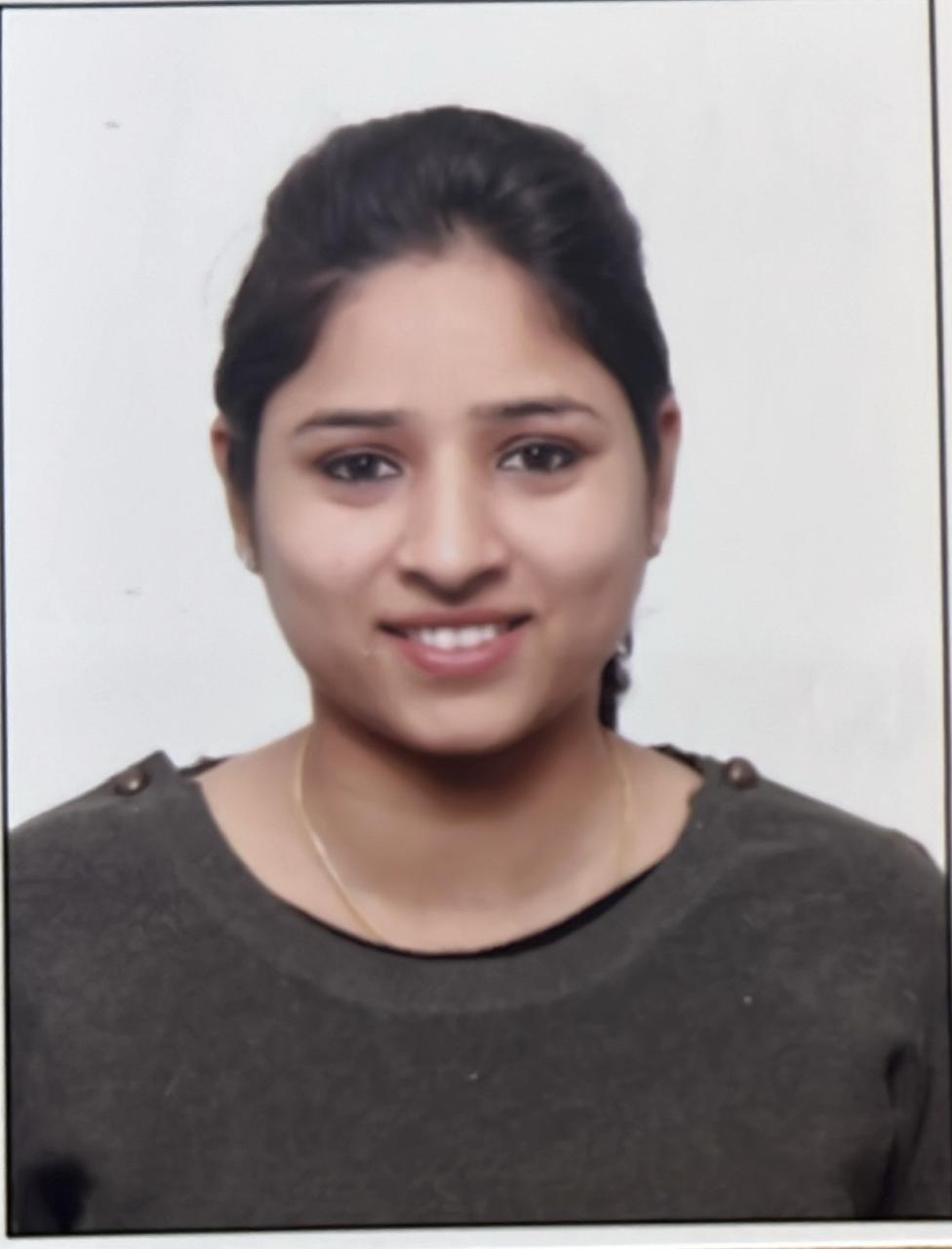
Ward No 47
Name
Smt. Rubina Dutta
Email
rubinadutta7936@punjab.gov.in
Mobile
9988323346
Permanent Address
B-33/375 Des Raj Street, Patiala.